
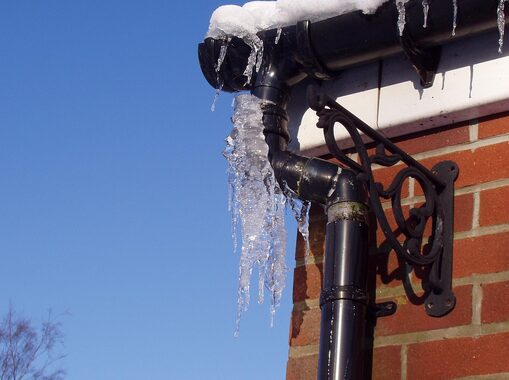
Frozen pipes can create problems that extend well beyond the plumbing itself, potentially affecting walls, ceilings, floors, and other parts of a house as water expands inside the pipe. When a frozen section eventually thaws, increased pressure can cause weakened or damaged pipes to leak or rupture, allowing water to reach surrounding building materials. In colder regions, Columbus Ohio Emergency Plumbing Services can become particularly relevant when sudden plumbing failures require prompt attention. The location of the affected pipe can determine which areas of a home experience the greatest impact. Understanding these connections shows how a seemingly isolated plumbing problem can develop into a broader household issue.
How Exterior Walls Can Be Affected
Pipes located within exterior walls can be particularly exposed to low temperatures because these areas may have less protection from outdoor conditions. If a pipe freezes and later develops a leak, water can enter wall cavities and affect insulation, plasterboard, wood, and other materials. The visible signs may not always appear immediately because water can remain concealed behind the finished surface. This can allow damage to develop before the plumbing problem becomes obvious.
Why Kitchens Can Experience Plumbing Problems
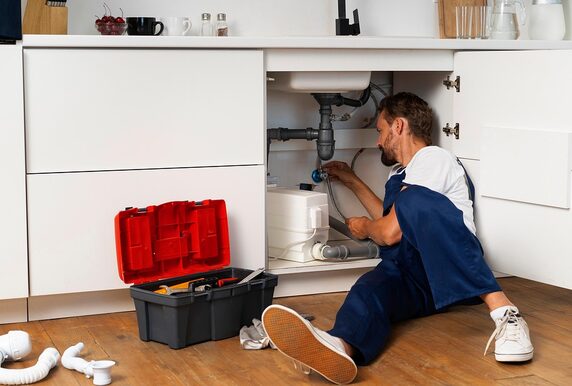
Kitchens contain several water supply and drainage connections, including pipes serving sinks, appliances, and other fixtures. Plumbing positioned near exterior walls or poorly insulated areas may be more vulnerable during periods of freezing weather. A damaged supply line can allow water to enter cabinets, flooring, and surrounding structures. Because kitchen plumbing is connected to multiple parts of the home’s water system, a freezing problem in one location can also interfere with normal water service elsewhere.
The Impact on Basements and Utility Areas
Basements, garages, crawl spaces, and utility areas can contain exposed sections of plumbing that are more vulnerable to cold conditions. These spaces may also contain important connections between the main water supply and the rest of the house. A failure in one of these locations can interrupt water service or release a substantial amount of water into the surrounding area. Utility spaces can therefore play an important role in determining the extent to which a frozen-pipe problem affects a property.
How Bathrooms Can Be Affected
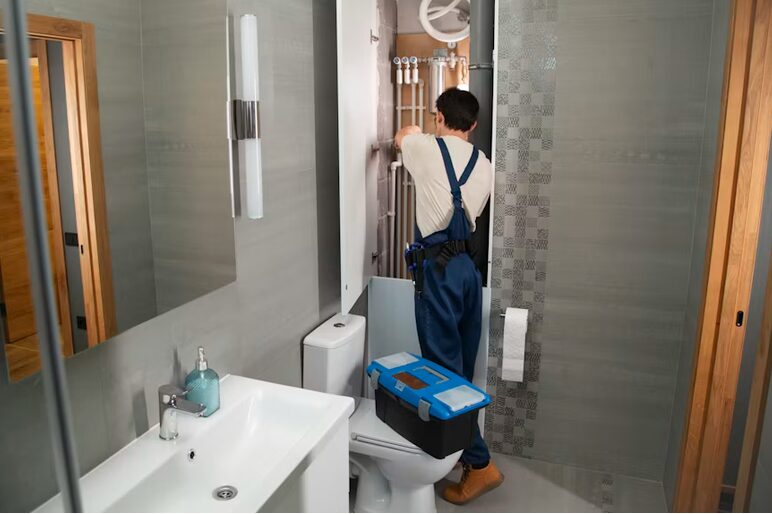
Bathrooms contain extensive plumbing networks that can be affected by freezing temperatures. Supply lines serving sinks, toilets, showers, and bathtubs may experience problems when exposed to sufficiently low temperatures. If a pipe breaks or develops a leak, water can affect floors, walls, ceilings, and nearby fixtures. The consequences can extend beyond the bathroom when water travels through structural spaces or reaches rooms located below it.
How Ceilings and Lower Floors Can Be Damaged
Water from a failed pipe does not always remain near the original plumbing location. It can travel through wall cavities, floors, insulation, and other structural spaces before becoming visible. A leak above a ceiling, for example, can eventually produce staining, damaged finishes, or deterioration in the room below. Similarly, water entering flooring can affect materials beyond the immediate area. This movement explains why the visible extent of damage may exceed the original plumbing failure.
Frozen pipes can affect different parts of a house because the plumbing system is distributed throughout the structure and connected across multiple rooms and levels. Exterior walls, kitchens, bathrooms, basements, utility areas, ceilings, and floors can all be affected when a pipe freezes. Water may also travel through concealed spaces, allowing problems to spread beyond the location where the plumbing first failed. The effects of frozen pipes are therefore closely connected to the layout and construction of the entire home, making them a property issue that can extend well beyond a single section of plumbing.